Adaptive Interface Designs Shaping Retention in Hybrid Sequence Puzzle Platforms
Geschrieben von Viktor Jung · 16.10.2026
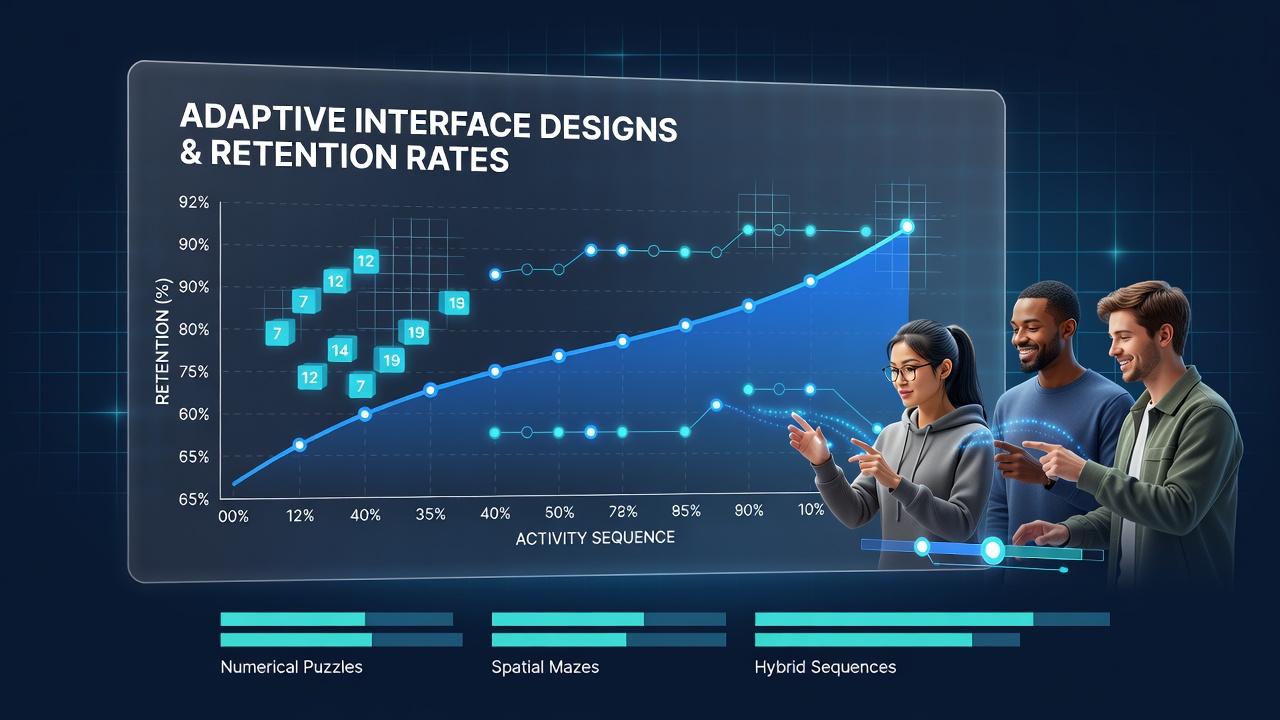
Adaptive Interface Designs Shaping Retention in Hybrid Sequence Puzzle Platforms
Adaptive interface designs adjust layout, hint frequency, and visual feedback in real time based on user interaction patterns within web activities that combine numerical sequences and spatial arrangement tasks, and these adjustments correlate with measurable changes in how long participants continue returning to the same platforms. Research indicates that platforms implementing such designs observe shifts in session duration and repeat visits, particularly when mechanics draw from both grid completion rules and tile positioning challenges.
Core Mechanics in Blended Recreational Activities
Sequence-driven web activities often merge number placement rules similar to those in sudoku grids with spatial matching elements found in tile removal or layout games, creating hybrid experiences where players progress through layered decisions that alternate between logical deduction and visual positioning. Data from multiple browser-based entertainment systems shows that retention improves when interfaces respond to individual pacing by expanding or contracting available tools, such as dynamic cell highlighting that appears only after repeated unsuccessful attempts at sequence completion. Observers note that these adaptations maintain engagement across varied skill levels without altering the underlying rulesets.
Patterns in Retention Data Across Platforms
Figures compiled through platform analytics reveal that adaptive elements like progressive difficulty scaling and personalized visual cues contribute to higher return rates over periods of several months. For instance, systems that modify spatial feedback density based on numerical accuracy trends demonstrate sustained participation, whereas static interfaces show steeper drop-offs after initial sessions. A report from the Entertainment Software Association highlights similar trends in digital entertainment categories that incorporate both analytical and perceptual components, with retention metrics tracked through October 2026 indicating steady growth in user cohorts exposed to responsive designs.
Implementation Approaches in Numerical-Spatial Hybrids
Designers apply adaptive techniques through several mechanisms, including real-time rearrangement of control panels to prioritize either numerical input fields or spatial manipulation areas depending on detected user focus areas. Those who have examined large-scale usage logs find that combining these adjustments with subtle animation timing changes reduces interruption points during sequence transitions. Platforms frequently test variants where spatial grid elements resize automatically when numerical error rates exceed thresholds, leading to documented increases in completed sequences per session. What's interesting is how such changes integrate without requiring explicit user configuration, allowing seamless progression through blended challenges.
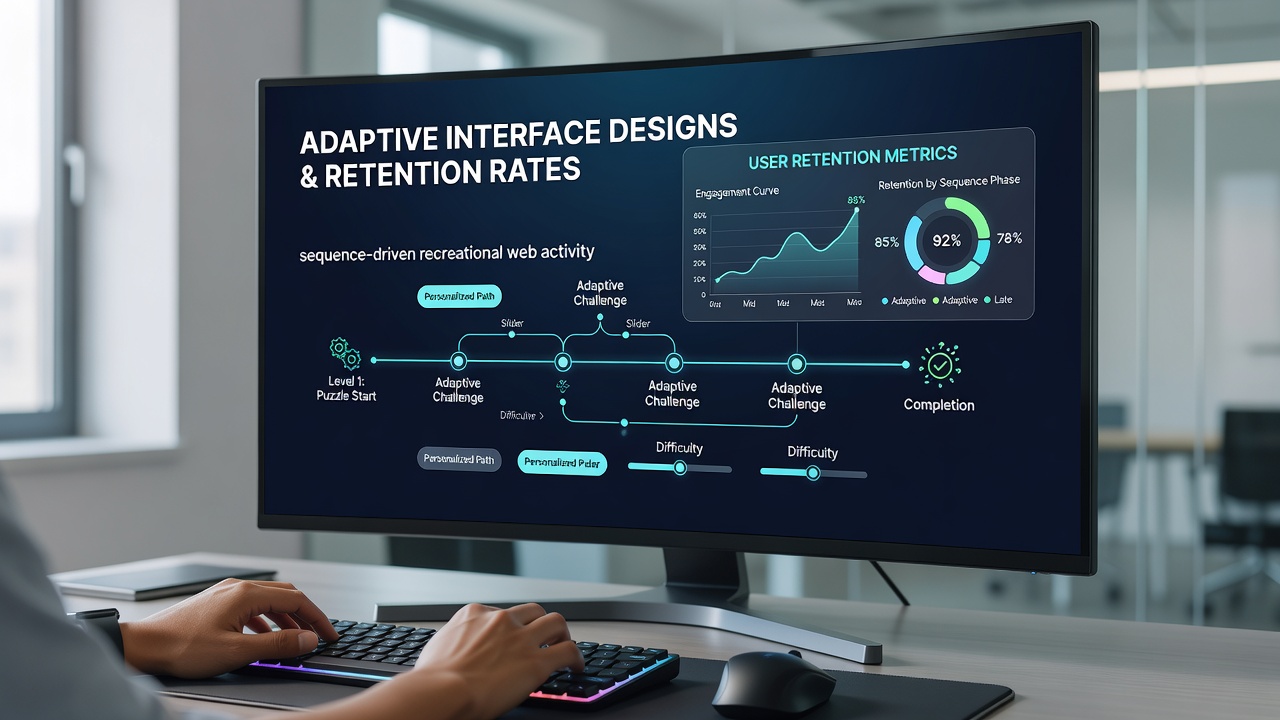
Comparative Analysis of Interface Variations
Studies tracking parallel deployments of adaptive versus fixed interfaces in comparable hybrid environments show consistent differences in long-term metrics. Adaptive versions often sustain activity levels by modulating hint visibility and layout density, while fixed counterparts experience faster declines after the first few weeks. According to research compiled by the International Game Developers Association, these patterns hold across regions where browser access dominates recreational puzzle play. Platforms incorporating both numerical sequencing and spatial elements benefit particularly when adaptations address the switch between cognitive modes, such as shifting emphasis from cell-by-cell number entry to broader tile repositioning views.
Measurement Techniques and Observed Outcomes
Retention evaluation relies on metrics including daily active users, average sessions per week, and completion rates of multi-stage sequences. Platforms collect this information through integrated logging that captures interaction timestamps and adaptation triggers, allowing correlation between specific interface responses and continued participation. Evidence suggests that timely adjustments during high-frustration points, such as when spatial mismatches compound numerical errors, help stabilize return patterns. In October 2026, ongoing platform reports continue to document these correlations in environments blending the two element types, with particular attention to how minor layout shifts influence overall cohort stability.
Conclusion
Adaptive interface designs in sequence-driven recreational web activities that blend numerical and spatial elements produce observable effects on retention rates through targeted adjustments to layout, feedback, and pacing. Platform data and industry reports confirm that responsive systems maintain higher engagement levels compared with static alternatives, especially when they address the interplay between logical sequencing and visual positioning demands. Continued tracking through late 2026 supports these associations across multiple browser-based implementations.